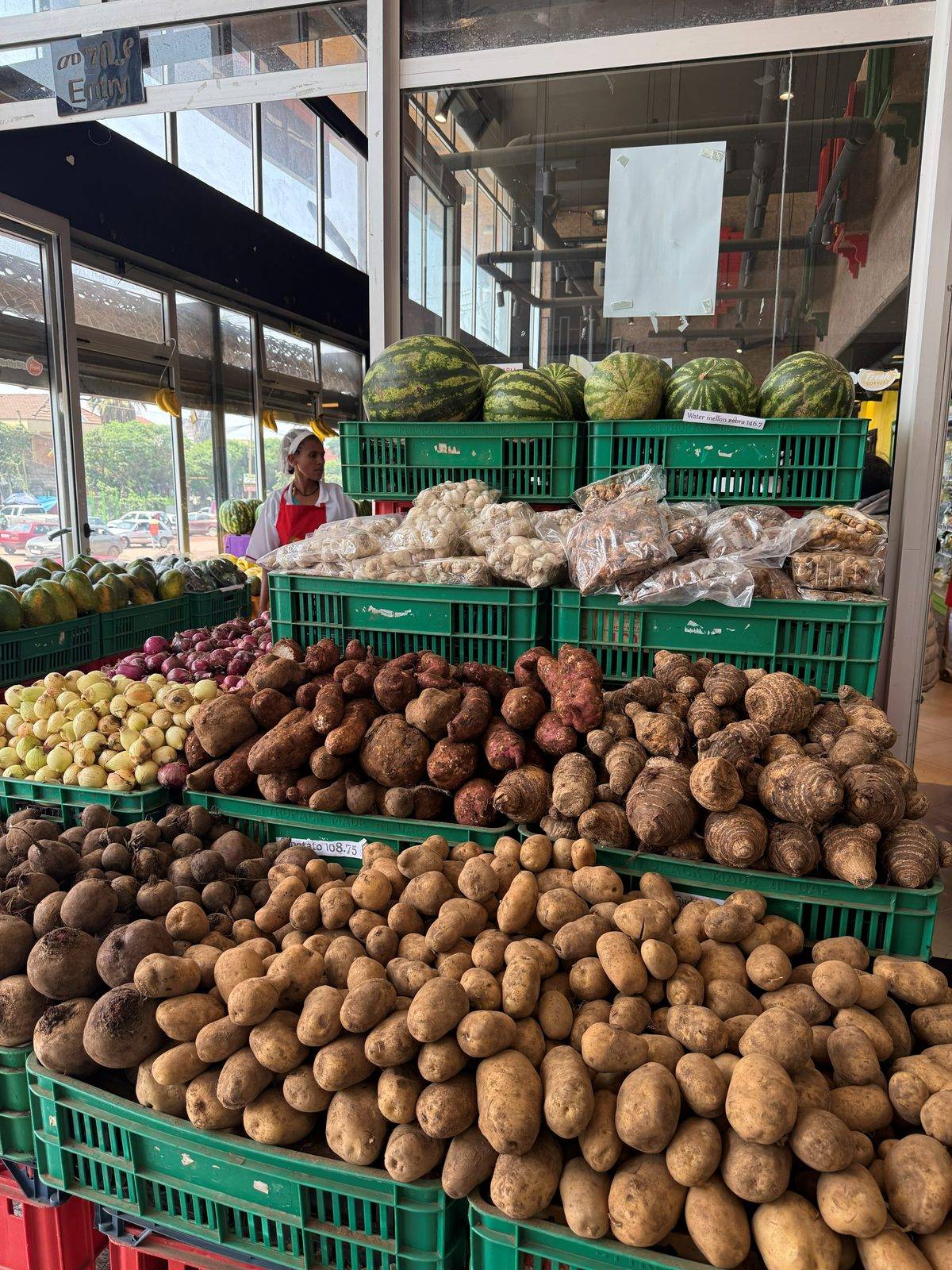
 Cooking the staples is the single biggest saving.
Most students do not get caught out by the big, obvious costs. Rent, they plan for. What adds up is the quiet daily spending: a couple of minibus trips, lunch out because there was no time to cook, another data package because the last one ran out in the middle of the month. Get those under control and living in Addis as a student is very manageable. Ignore them and a “cheap” month disappears.
This breakdown goes through the costs that actually matter, in the order they hit your budget, and finishes with a template you can fill using today’s prices. It pairs well with the wider beginner’s guide to living in Addis Ababa if you are still working out the basics.
The four costs that decide your month
For most students, four categories make up the bulk of spending: housing, food, transport, and phone data. Everything else, printing, the occasional coffee, personal items, is real but small next to these. If you only track four things, track these.
Housing: dorms, shared rooms, or your own place
Housing is usually the single biggest line, and it is also where your choice changes your budget the most. Affordable housing in Addis Ababa comes down almost entirely to sharing and location, so this section is the one worth reading most carefully.
If you attend a public university, on campus housing and cafeteria access are close to free upfront. Ethiopia’s cost sharing scheme means you are not billed directly at the time; instead, graduates repay a portion of the cost, commonly cited as around 10 percent, after they finish and start earning, though the exact percentage and terms are worth confirming directly with your university rather than assuming. It is worth understanding this system before you assume you need to budget for rent at all.
Off campus, the cheapest route is sharing. A basic single room starts from around 8,000 birr a month (verified July 2026, confirm again for your area), and that figure covers the room itself, walls and floor, not utilities, which are billed separately (see below). Splitting a larger place with roommates brings the cost per person down from there. Prices climb quickly with location, whether the place is furnished, and how new the building is. Areas closer to the center and to Bole cost more. A room farther out is cheaper but adds to your transport cost and time, so weigh the two together rather than chasing the lowest rent.
Food: the biggest place to save
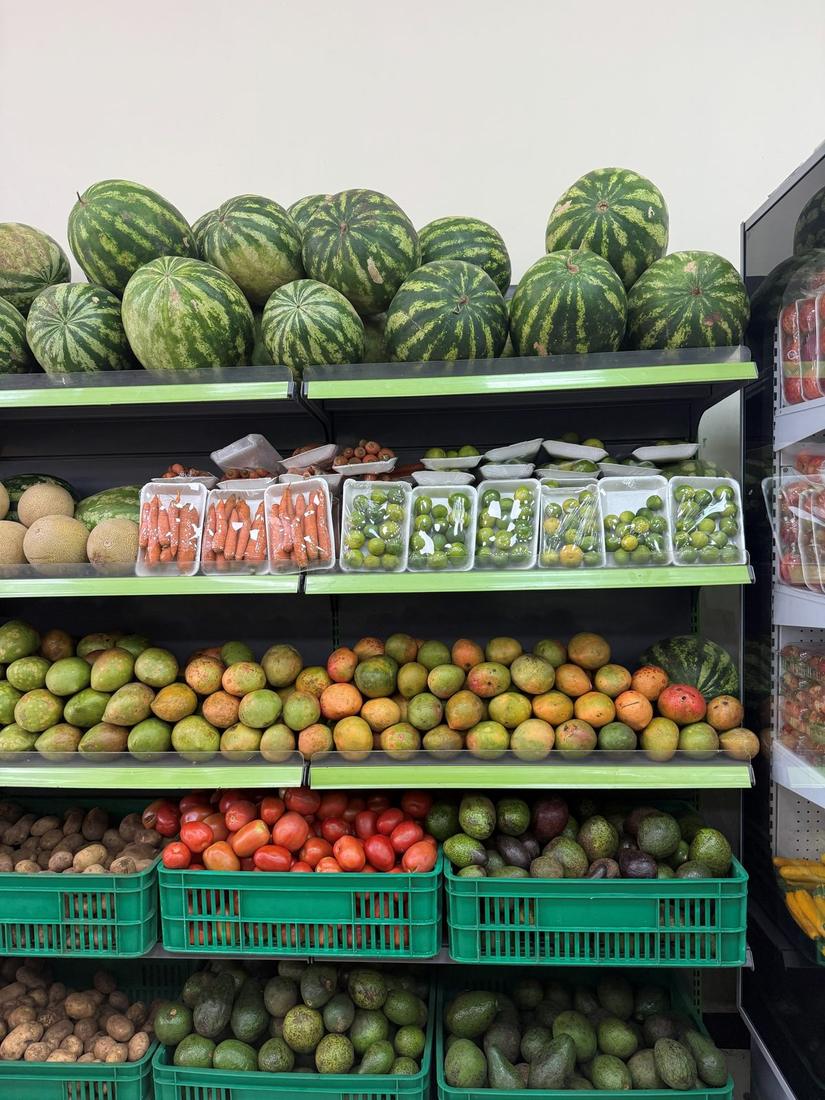 Produce prices swing by season; the staples stay kind.
Food is where students either stay on budget or blow it, and the difference is mostly about cooking versus eating out.
Cooking for yourself is by far the cheapest option, especially if you buy staples at a local market rather than a supermarket. Eating out at simple local places is still affordable, but three bought meals a day adds up fast over a month.
Two tips specific to Addis help here:
- Wednesdays and Fridays are Orthodox fasting days, when many places serve vegan fasting food (bayenetu). It is filling, healthy, and usually among the cheapest meals you can buy.
- If your campus has a cafeteria, use it. Subsidized student meals are hard to beat on price.
As a starting point: a meal you cook yourself runs from about 200 to 300 birr at minimum, a fasting food meal bought out starts from about 400 birr, and a regular meal bought out starts from about 625 birr. Multiply by how many meals a day you cook versus buy, and by fasting days versus not, to get your own monthly figure. The gap between cooking and buying is the single biggest lever in this whole budget.
Getting around on a student budget
Transport is cheap here if you use the right options. The full transport guide covers routes and etiquette in more depth; here is what it costs.
- Minibuses (the blue and white shared vans) are the default. A short trip starts around 15 birr (verified July 2026). Your monthly total depends entirely on how far you live from campus and how many trips you take, so estimate it from your own commute: trips per day times fare times days.
- The light rail is a flat, low fare, no more than about 10 birr a ride, and it skips road traffic if your route lines up with a station.
- Walking for anything close by is the real budget move, and it is common here.
- Ride hailing runs a few hundred birr per trip (roughly 350 to 500 birr across town, verified July 2026), so treat it as an occasional convenience, not a daily habit on a student budget.
Phone and data
You will want a data package rather than paying as you go. On Telebirr pricing (verified July 2026), a monthly 1.2 GB package is about 82 birr, 4.8 GB about 280 birr, and 12 GB about 550 birr. Buying through airtime instead of Telebirr costs roughly 15 percent more. Pick the smallest package that gets you through the month using wifi alongside your data rather than overbuying.
Utilities: what “just rent” does not cover
Whether you pay utilities separately depends on the setup. In many shared rentals, tenants split electricity, water, and generator costs by percentage or usage among roommates, rather than a flat rate. In some private rooms, you pay your own from a personal meter. Either way, budget for these on top of rent, not folded into it:
- Electricity runs from about 400 to 500 birr a month at minimum.
- Water runs from about 160 to 200 birr a month at minimum.
- Generator power, where outages make one necessary, adds fuel on top: petrol runs about 127 birr a liter, and a typical month can burn through around 25 liters, putting generator fuel at roughly 3,000 birr or more if your building relies on one.
- Fiber wifi starts from about 999 birr a month for a 7 Mbps connection.
Ask what a room’s utilities actually look like before you sign, since “just rent” rarely means just rent.
Printing, supplies, and daily extras
These stay in the background until you add them up:
- Photocopies and printing run about 10 birr a page in black and white, rising to about 25 birr a page for color.
- A notebook starts from about 120 birr.
- A small cup of traditional coffee is about 30 birr; a machine made coffee at a café starts from about 60 birr a cup. If you plan to study there for hours rather than just grab a cup, see the best cafes for studying for places that will not rush you.
- Toiletries: a bar of soap starts from about 150 birr, a roll of tissue from about 80 birr.
- A normal night out, food and a couple of drinks, starts from about 800 birr at minimum.
None of these break a budget on their own, but a few photocopies a week, a daily coffee, and the odd night out add up to a real monthly line, so track them rather than assume they are negligible.
A sample monthly budget (fill in the blanks)
Use this as a template. The filled figures are carried from the July 2026 verification. The blanks need your own current numbers, because they vary too much to guess honestly.
| Category | Monthly estimate | Notes |
|---|---|---|
| Housing (shared room) | from ~8,000 birr, less if split or subsidized | confirm again for your area; dorms may change this entirely |
| Food | from ~200 to 300 birr per meal cooked, 400+ for fasting food out, 625+ for a regular meal out; multiply by your own meal pattern | cook most meals to keep this low; use fasting day and cafeteria options |
| Transport | [fill in from your commute] | minibus from 15 birr/trip, light rail up to 10 birr |
| Phone data | ~82 to 550 birr | pick the smallest package that lasts the month |
| Utilities (if renting) | electricity ~400 to 500 birr, water ~160 to 200 birr, generator fuel from ~3,000+ birr if needed, fiber wifi from ~999 birr | often split with roommates by usage; ask before signing |
| Study materials / printing | ~10 birr/page (25 color), notebooks from ~120 birr; estimate from how much you print and buy | small but real |
| Personal / misc | coffee ~30 to 60+ birr/cup, soap ~150 birr, tissue ~80 birr/roll, a night out from ~800 birr; estimate from your own habits | coffee, toiletries, occasional outing |
| Total | add your lines | build it from real numbers, not a headline figure |
I have deliberately not put a single “students spend X per month” number at the top, because an honest total depends on your housing choice and eating habits more than anything else. Fill the template and you will get a figure you can actually trust.
One student’s real numbers
To be transparent about where I am coming from: my own situation was not the tight budget case above. My family could afford it, so I rented my own studio for about 7,000 birr a month at the time, and spent roughly 10,000 to 12,000 birr a month on everything else, including going out, drinks, and clubbing. Prices have moved since then, nightlife especially: expect to need at least three times that amount for a night out today. If you share a room and cook most of your meals, the way this template is built for, your own number will likely land well below mine.
Money saving tips that actually work
- Share rent. The fastest way to cut your biggest cost.
- Cook the staples. Buy at the market, not the supermarket, and keep bought meals for when you are short on time.
- Lean on fasting days and the campus cafeteria for cheap, filling food.
- Default to minibus, light rail, and walking. Save ride hailing for when it genuinely matters.
- Pick the right size data package instead of topping up repeatedly at the higher airtime rate.
- Live closer in only if the rent saving beats the transport and time cost. Do the maths both ways.
Common mistakes
- Renting alone when sharing would halve the cost.
- Eating out for every meal and wondering where the money went.
- Buying a big data package you do not use, or repeatedly topping up airtime at the higher rate.
- Chasing the cheapest room far out, then spending the saving on transport.
- Not checking what your university already provides before renting.
Bottom line
Student life in Addis is affordable, but “affordable” is a range, not a fixed number, and you control where you land in it. Housing and food are the two levers that matter. Share your rent, cook most of your meals, use the cheap transport that is already everywhere, and the rest takes care of itself. Fill in the template with current prices and you will have a budget that fits your real life, not a guess.